Gold, Chrome and Other Finishes on Ceremonial Shovels
- Posted by Ceremonial Key Editorial Team
- First published
- In Groundbreaking Shovels
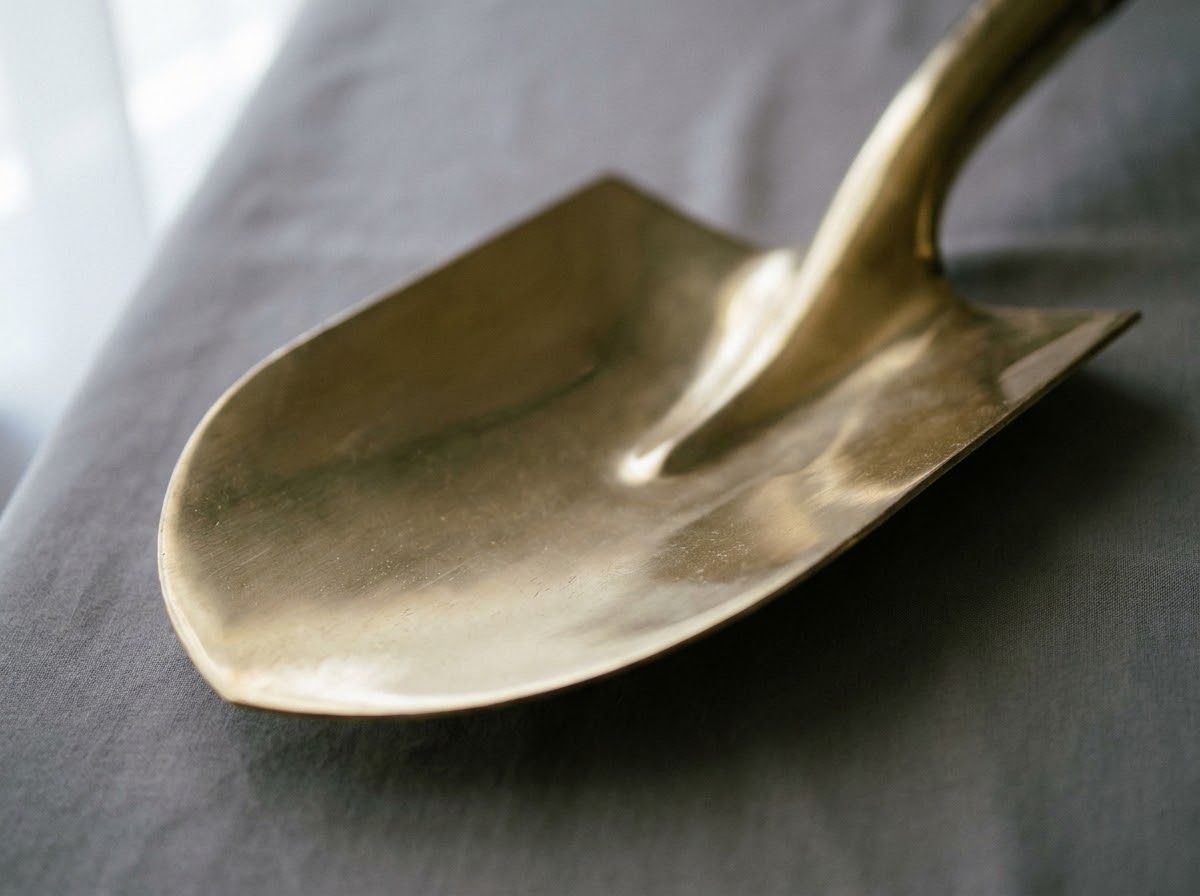
A gold or chrome finish on a ceremonial shovel is almost always a thin surface layer over another metal, so the label "gold" describes the look, not the material. Plating protects the metal underneath only while it stays unbroken. Treat these shovels as display pieces: handle them with gloves, keep them dry and avoid harsh polishes.
Part of the series: Groundbreaking Shovels: Types, Finishes and How They Are Used
Finish is the first thing people notice about a ceremonial shovel and the first thing that goes wrong. This page, part of our groundbreaking shovels guide, explains what the common finish terms mean, how they wear and how to look after them. We cite conservation guidance on metals; we cannot quote a maker’s specifications, because we do not recommend or rank makers.
Finding-aid note: the sources cited here were consulted on 2026-11-17 and set beside the statements above.
Plated, solid and painted: what the terms mean
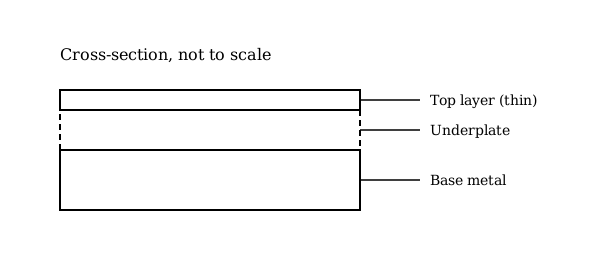
- Plated means a thin layer of one metal over another. “Gold plated” or “chrome plated” describes the surface.
- Solid (for example solid brass) means the same metal all the way through. Brass is a copper alloy and is gold-colored on its own.
- Painted or lacquered means a coating, not a metal layer. These look uniform but can chip or wear at edges.
Because these words are used loosely, ask for the base metal and the finish in writing.
Gold-tone, brass, chrome and stainless
Gold-tone finishes read warm in photographs and suit formal events; chrome is bright and cool and shows fingerprints readily; brass looks gold and can darken over time; stainless looks neutral. Per the Canadian Conservation Institute, stable plated surfaces of gold, silver, nickel or chromium often keep a bright appearance in suitable conditions, although grime can hide it. Brass and other copper alloys tarnish and can corrode when exposed to harsh cleaners.
Why a ceremonial finish is not for digging
The risk is mechanical. Plating protects the metal underneath only while it stays continuous. When it is scratched, dented or abraded, the base metal can begin to corrode and eventually push the plating off. A trowel-full of soil with grit is enough to scratch. Loosen the soil first, press the blade in gently for the photo, and wipe off dirt with a soft cloth.
Care and tarnish prevention
- Handle with gloves. Skin salts and oils can etch and stain polished metal. Disposable nitrile gloves without chemical accelerators are the type the CCI recommends for handling metal objects; its note on brass and copper also mentions clean cotton gloves.
- Keep it dry and covered. Store it wrapped in soft padding, kept dry.
- Be cautious with commercial polish. CCI Note 9/3 warns that many contain ammonia, which can dissolve copper in some conditions, and that some contain hard particles that scratch softer copper alloys. Ask the maker or a conservator first.
- Clean sparingly. Dust first; polishing is abrasive and removes finish with each pass.
- Ask a conservator if the shovel has a worn or lacquered surface you cannot identify.
Our display page covers cases and light. Safety note: use any cleaning solvent only as the product’s instructions say; follow the manufacturer’s instructions.
Choosing a finish for photographs
Gold-tone and brass look rich in indoor light and on overcast days. Chrome throws reflections, which can catch a flash, a hard hat or a person’s face. Matte or brushed finishes reduce glare. If the group will wear hard hats or bright vests, a plain, saturated finish will not compete with them. Test one in your site’s actual light if you can.
Questions to ask any maker
- What is the base metal and what is the finish?
- Is the finish plated, lacquered or painted, and can I see a sample?
- How should it be cleaned, and what should I avoid?
- Is it intended to be pushed into soil?
- Can the finish be repaired or re-done?
For engraving on a finished shovel, see wording and plaque layout, and for group use, how many shovels and who holds them.
Reading a maker’s description
Phrases to look for: the base metal, the plating or coating process, any protective clear coat, and whether the handle is finished separately. Be wary of descriptions that only say “gold” or “chrome” with no further detail. Ask whether the finish is recommended for light use in soil, and what repair or refinishing is possible. Keep the written reply with your order.
Storing and transporting
Wrap each shovel on its own in soft material so metal never touches metal, and keep them dry. Ask the maker what packaging they recommend. Carry shovels by the shaft, not by the ribbon or a plaque, as handling guidance advises for objects with attachments.
Answers to common questions
What does gold plated mean?
Gold plated means a layer of gold, usually very thin, has been applied over another metal. The shovel is not solid gold. How long the finish lasts depends on the plating and on how the shovel is handled. Conservation guidance says plating protects the base metal only while the layer stays continuous, so scratches matter.
Will chrome scratch?
Yes, any plated or polished surface can scratch if it is dragged, stacked or rubbed with abrasives. Chromium plating often keeps its bright look in suitable conditions, according to the Canadian Conservation Institute, but scratches expose what lies beneath. Wrap each shovel separately in soft material and never let metal touch metal in transport.
How do you clean a plated shovel?
Start by dusting with a soft brush or cloth and handle only with clean gloves. Be cautious with abrasive pastes and ammonia-based polishes, which can damage thin finishes. If the shovel looks dull or stained, ask the maker for their care instructions or consult a conservator before using any polish, since each cleaning step can remove some finish.
Is a gold shovel real gold?
Usually not. Most gold-tone ceremonial shovels use a gold-colored plating, lacquer or paint over a base metal, and some use brass, which is itself gold-colored. The word gold on a product page may describe color. Ask the maker in writing what the base metal and finish are, and what thickness or method was used.
Can a ceremonial shovel be used to dig?
It can be pushed into prepared soil for a photograph, but digging with a plated or painted shovel risks scratches and dents that expose the base metal. Treat it as a keepsake, loosen the soil beforehand, and clean off dirt gently with a soft cloth afterward. If real digging is needed, use a working tool beside it.
Further reading
Related reading
- Groundbreaking Shovels: Types, Finishes and How They Are Used
What a ceremonial groundbreaking shovel is, the main types, finishes, handles, engraving, display and care, plus a vendor-neutral checklist of what to ask.
- Engraved Groundbreaking Shovels: Wording Ideas and Plaque Layout
What to engrave on a groundbreaking shovel: wording patterns with placeholder examples, plaque versus blade engraving, a proofing checklist and fixes.
- Groundbreaking Ceremony Shovels: How Many, Which Style, Who Holds Them
How to choose ceremonial shovels for a groundbreaking: single, matched or multi-handle, how to count them, who holds them, handling and what happens next.
- Displaying a Groundbreaking Shovel: Cases, Stands and Wall Mounts
How to display a groundbreaking shovel with a case, stand or wall mount, protect the finish from humidity and handling, and avoid case and wall problems.