Groundbreaking Shovels: Types, Finishes and How They Are Used
- Posted by Ceremonial Key Editorial Team
- First published
- In Groundbreaking Shovels
A groundbreaking shovel is a ceremonial object used for a symbolic first turn of soil at the start of a project, then kept as a memento. It is made to be photographed and displayed, not to dig. Choose the style, finish, handle count and engraving first, then plan how it will be handled, shown and cared for.

A groundbreaking shovel is a prop with a purpose: it lets a group mark the start of a project in one photograph, then becomes a keepsake. This guide covers the object only: types, finishes, handles, engraving, display and care. It does not cover how to run the ceremony. For particular topics, jump to finishes, ceremony use, engraving and display.
Finding-aid note: the sources cited here were consulted on 2026-11-17 and set beside the statements above. Nothing here is for sale; no maker is ranked and no price is given.
What a ceremonial groundbreaking shovel is
It is a shovel made to look good and be remembered, not to move earth. Think of it as a trophy shaped like a tool. Planners buy or borrow them for ground-breaking events and then present them to project leaders, donors or the organization. The same idea sits behind other commemorative objects, such as the oversize keys in our ceremonial keys guide.
Types: single, matched sets and multi-handle
- Single shovel. One object, usually for a small event or for the lead honoree. Cheapest to handle and store, and it makes a clear keepsake.
- Matched set. Several identical shovels, one per participant. They line up well in photographs and let each person take one home.
- Multi-handle shovel. One blade with several handles so a group can hold the same object. It keeps the picture compact and gives one shared keepsake instead of many.
Which fits depends on party size, budget and what you want in the picture. The page on ceremony shovels goes through counting and who holds each.
Materials and finishes
Heads are usually metal and handles wood or metal; finishes include gold-tone, chrome, silver-tone, brass or paint. Ask the maker to say, in writing, which material is the base, which is the plating or coating, and what the handle is made of. Terms like “gold plated” and “chrome” describe a thin surface layer, and conservation guidance explains that plating protects the base metal only while it stays continuous. The finishes page explains how to read those terms and care for each.
Sizes and handles
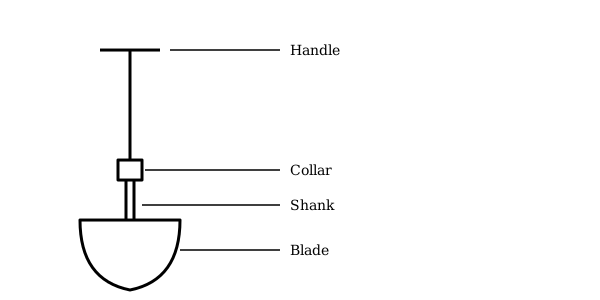
Standard-size shovels are easiest to pose with; shorter, lighter versions suit children or a table display. A D-handle gives a firm grip, a straight handle suits a clean vertical line in photographs. Make sure the handle is fixed securely before anyone lifts it for the picture, and have people hold it by the shaft or handle, not by a ribbon or an attached plaque.
How many shovels an event uses
Count the people who will actually be in the frame, then add one if you want a spare for a late arrival or a backup in case a handle fails. There is no rule. We do not state a standard number, because no source we opened documents one.
Engraving and plaques
Engraving or a plaque usually states the project name, the date and the honorees. A plaque is easier to fix if a name is wrong. Engraving on the blade is more permanent. See wording ideas and plaque layout and always proof every name against a written source.
Display and care
After the event, store and show the shovel with care. Clean hands or nitrile gloves, no bare fingerprints on polished metal, no wax or polish unless the finish allows it. The Canadian Conservation Institute warns that harsh ammonia-based or acid-based cleaning compounds can cause corrosion on copper alloys, and says unsealed wood gives off acids that can harm metal in a closed case. Our display guide covers brackets, stands and cases.
What to ask before you choose one
- What is the base metal, the finish and the handle, in writing?
- Is the shovel made to be dug with, or display only?
- What is the lead time for engraving, and when do you need a proof?
- How is it packed, and what damage claims apply on delivery?
- What care does the maker recommend, and what should you avoid?
- Can the plaque be replaced or added later?
- Does it come with a stand or hanger, and what weight does the hanger carry?
Keep the answers with the order. If a maker cannot answer, consider that a signal.
Planning timeline
Start with the date and the guest list, because the count drives the order. Then decide the style (single, matched or multi-handle), finish and handle. Ask the maker for lead times for engraving, and build in time for a proof and for delivery. When the shovels arrive, unpack them with gloves, check each against the proof, and store them wrapped until the day. After the event, clean off soil gently and decide where each shovel goes.
Common mistakes
- Ordering before the guest list is final, then adding names late.
- Letting the engraving text be written by several people.
- Choosing a mirror-bright finish that reflects the crowd or the sun.
- Treating a ceremonial shovel as a working tool.
- Leaving a polished shovel in a damp truck or garage.
- Handing over a shovel with no care instructions.
Handling on the day
Brief the people who will carry the shovels. Ask them to hold the shaft rather than a ribbon, to set a shovel down before passing it, and to keep it clear of site equipment. Have a soft cloth and a bag for each shovel ready for afterwards. If the ground is hard or stony, ask the site team to loosen the plot beforehand.
All Groundbreaking Shovels guides
- Displaying a Groundbreaking Shovel: Cases, Stands and Wall Mounts
How to display a groundbreaking shovel with a case, stand or wall mount, protect the finish from humidity and handling, and avoid case and wall problems.
- Engraved Groundbreaking Shovels: Wording Ideas and Plaque Layout
What to engrave on a groundbreaking shovel: wording patterns with placeholder examples, plaque versus blade engraving, a proofing checklist and fixes.
- Gold, Chrome and Other Finishes on Ceremonial Shovels
What gold, chrome, brass and painted finishes on ceremonial shovels mean, how plating wears, how to care for them and which questions to ask any maker.
- Groundbreaking Ceremony Shovels: How Many, Which Style, Who Holds Them
How to choose ceremonial shovels for a groundbreaking: single, matched or multi-handle, how to count them, who holds them, handling and what happens next.
Answers to common questions
What is a ceremonial shovel?
A ceremonial shovel is a display-quality shovel used at a groundbreaking to mark the start of a project with a symbolic turn of soil. It usually has a decorative finish, may be engraved, and often carries a ribbon or plaque. After the event it becomes a keepsake for the organization or the people who took part.
Can you actually dig with one?
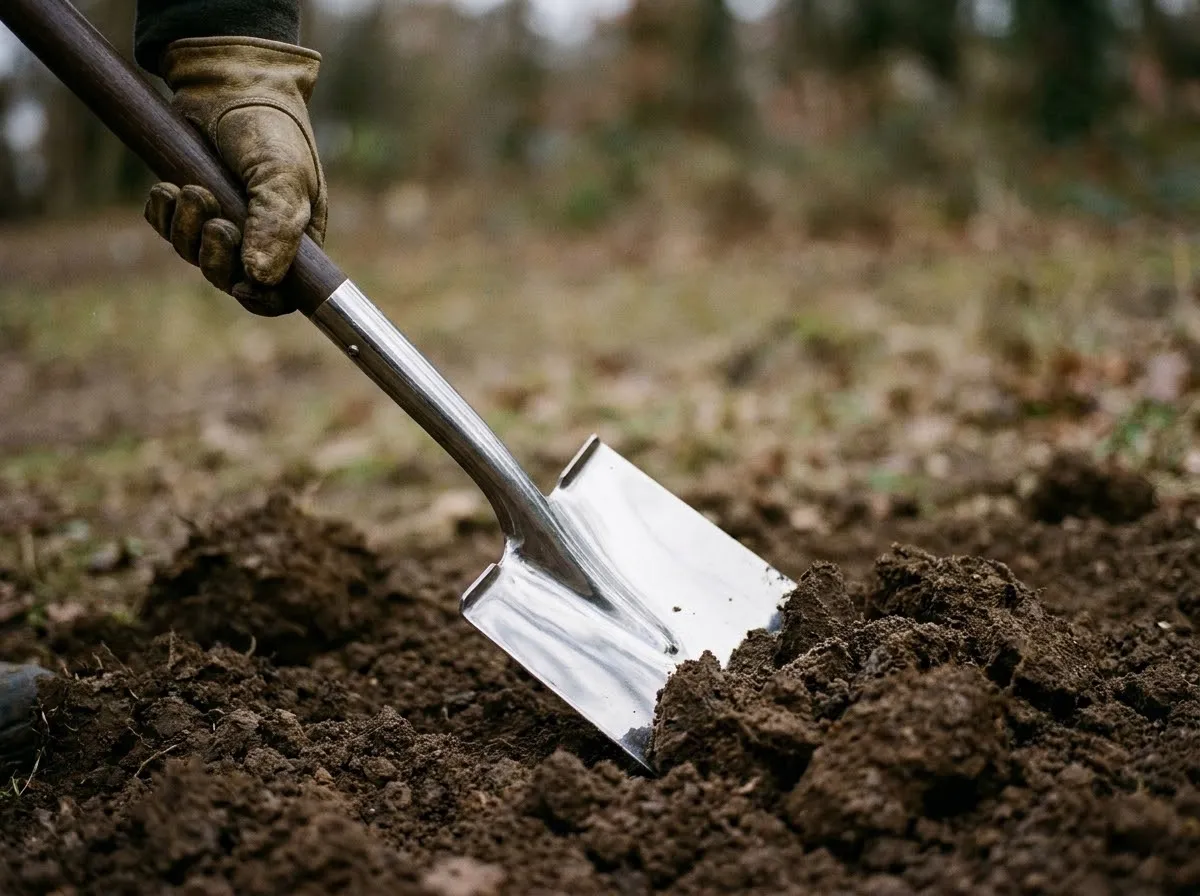
You can push one into soft, prepared soil for a photograph, but it is not a working tool. Plated or painted finishes scratch, and scratches expose the base metal. Most event planners have the ground loosened ahead of time and keep the real digging to site equipment. Ask the maker how the shovel is built before you decide how hard to use it.
How many shovels do you need?
Count the people who will be in the photograph and who you want to hand a keepsake to, then decide whether a shared set or one shovel per person suits the occasion. A matched row looks tidy in pictures; a single shovel suits a small party. Our ceremony shovels page walks through counting and who holds each one.
What are ceremonial shovels made of?
The shovel head is typically metal, often with a gold-tone, chrome, silver-tone or painted finish, and the handle is commonly wood or metal. Makers vary, so ask for materials in writing. Conservation guidance matters because plated and copper-alloy surfaces tarnish or corrode differently, and that affects care and display.
Can they be engraved?
Yes. Engraving or a mounted plaque usually carries the project name, date and honorees. The choice between blade engraving and a plaque affects look, proofing and corrections later. Our engraving guide covers wording, layout and a proofing checklist so mistakes are caught before the work begins.
How are they displayed afterwards?
Common choices are a wall bracket, a stand or a case. Whichever you pick, keep the shovel out of direct sun and damp, handle it with clean gloves, and use sealed or well-aired display materials. Our display guide explains cases, stands and wall mounts and how to avoid tarnish.
Further reading
Related reading
- Engraved Groundbreaking Shovels: Wording Ideas and Plaque Layout
What to engrave on a groundbreaking shovel: wording patterns with placeholder examples, plaque versus blade engraving, a proofing checklist and fixes.
- Gold, Chrome and Other Finishes on Ceremonial Shovels
What gold, chrome, brass and painted finishes on ceremonial shovels mean, how plating wears, how to care for them and which questions to ask any maker.
- Groundbreaking Ceremony Shovels: How Many, Which Style, Who Holds Them
How to choose ceremonial shovels for a groundbreaking: single, matched or multi-handle, how to count them, who holds them, handling and what happens next.
- Displaying a Groundbreaking Shovel: Cases, Stands and Wall Mounts
How to display a groundbreaking shovel with a case, stand or wall mount, protect the finish from humidity and handling, and avoid case and wall problems.